
Enhancing empathic care for Indigenous people living with diabetes
Project Overview
There are almost 1.9 million Australians living with diabetes, 87% of whom have type 2 diabetes [1]. Indigenous Australians are three times more likely to have diabetes than non-Indigenous people [2].
In order to address the health disparities experienced by Indigenous Australians, it is essential that all healthcare professionals are committed to the provision of empathic, person-centred and culturally appropriate diabetes education and management.
The aim of this project, funded by University of Technology Sydney Social Impact Grant 2023, was to design, implement and evaluate an authentic and evidence-based e-learning resource that can be used to enhance healthcare professionals’ cultural empathy in the care of Indigenous people living with or at risk of diabetes.
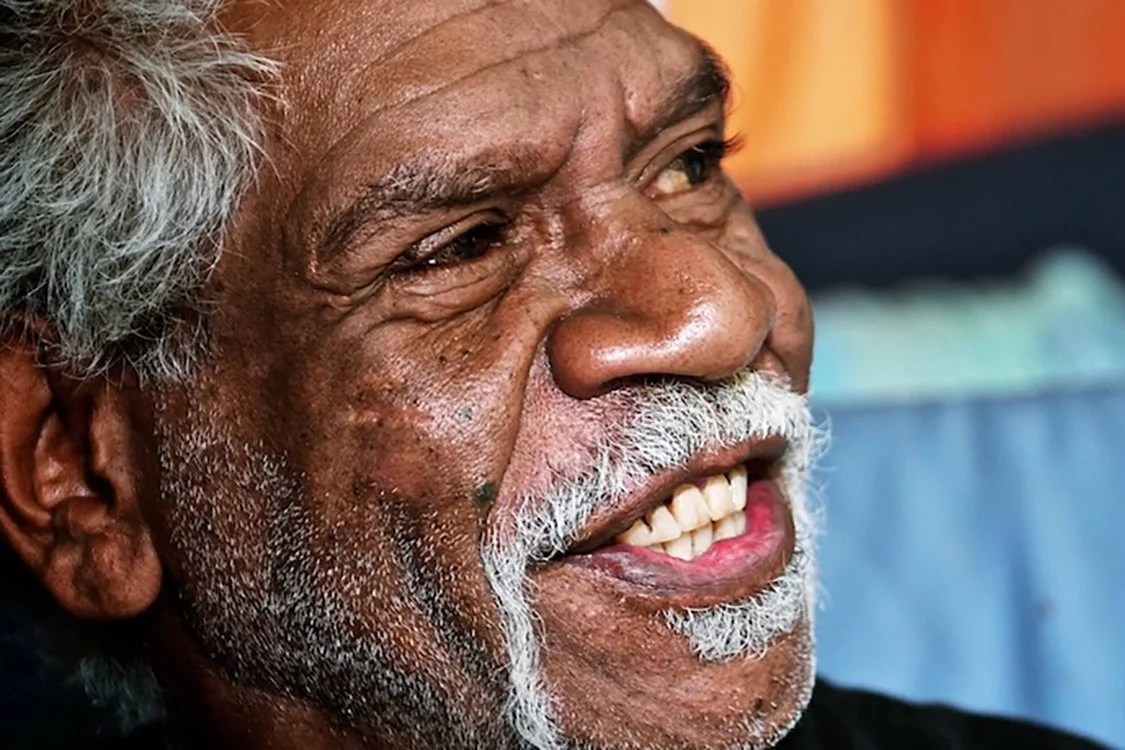
John’s story and other digital stories, along with teaching and learning toolkits, are open access and can be can be found in the Virtual Empathy Museum.
Project team
This project was led by Dr Shannon Lin – University of Technology Sydney
The project team members were:
- Dr Wenbo Peng – University of Technology Sydney
- Auntie Grace Ward – University of Technology Sydney
- Dr Ashley Ng – Monash Centre for Health Research and Implementation
- Distinguished Professor Tracy Levett-Jones, University of Technology Sydney.
Publication
Lin, S., Peng, W., Ward, G., Ng, A. & Levett-Jones, T. (2025). Cultivating cultural empathy among diabetes educators: The impact of a digital story intervention. Contemporary Nurse. 61 (1), 48-57. https://doi.org/10.1080/10376178.2024.2448167
References
1. National Diabetes Services Scheme. (2023) Snapshots – All Types of Diabetes [Fact Sheet]. National Diabetes Services Scheme. Accessed 30th April, 2026: https://www.ndss.com.au/wp-content/uploads/ndss-data-snapshot-202306-all-types-diabetes.pdf
2. Australian Institute of Health and Welfare. (2014). Type 2 diabetes in Australia’s children and young people: a working paper. (AIHW Catalogue no CVD 64, diabetes series no. 21) Canberra: Australian Institute of Health and Welfare.