
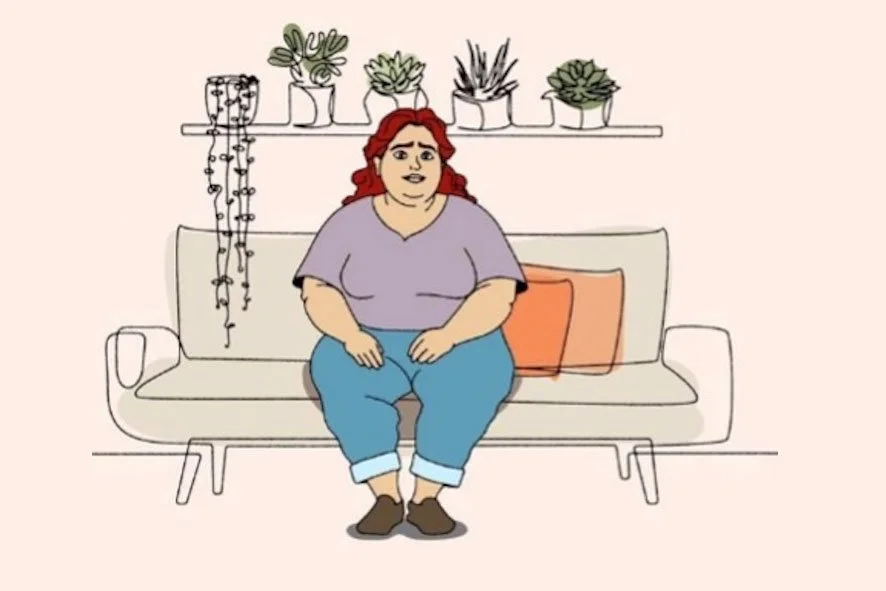

Enhancing empathic care for young people living with diabetes
Project Overview
A growing body of research indicates that empathic healthcare interactions result in improved diabetes self-management, treatment adherence, consumer satisfaction and enablement, along with decreased anxiety and distress [1]. Studies have also identified that people cared for by healthcare providers with high levels of empathy have improved clinical outcomes. In one US study, people with diabetes (n = 891) cared for by healthcare providers with high levels of empathy were 80% more likely to achieve glycaemic targets [2]. In an Italian replication study of 20,961 people with diabetes, acute complications, including diabetes ketoacidosis, were 41% lower when people were cared for by healthcare providers with high levels of empathy [3].
The aim of this project, funded by Diabetes Australia, was to design, implement and evaluate a set of authentic and evidence-based e-learning resources that can be used to enhance the capability of healthcare professionals to provide empathic care for people living with or at risk of diabetes.
Laura’s story and other digital stories, along with teaching and learning toolkits, are open access and can be can be found in the Virtual Empathy Museum.
Project team
This project was led by Distinguished Professor Tracy Levett-Jones, University of Technology Sydney.
The project team members were:
- Dr Elizabeth Holmes-Truscott – Australian Centre for Behavioural Research in Diabetes
- Dr Shannon Lin – University of Technology Sydney
- Dr Giuliana Murfet – Tasmanian Health Service
- Dr Ashley Ng – Monash Centre for Health Research and Implementation
- Dr Katie Tunks Leach – Australian Catholic University
- Auntie Grace Ward – University of Technology Sydney
References
1. Trzeciak S. & Mazzarelli, A. (2019). Compassionomics. The revolutionary scientific evidence that caring makes a difference. Florida: Studer Group.
3. Hojat, M. et al. (2011). Physician empathy and outcomes for diabetic patients. Academic Medicine, 83(3), 359-364.
4. Del Canale, S et al. (2012). The relationship between physician empathy and disease complications: an empirical study of primary care physicians and their diabetic patients in Parma, Italy. Academic Medicine. 7(9),1243-1249.